
Grow Slowly. Live Fully.
Practical plant care, garden design, and home ideas for a calmer, greener life.
1 to 2 tablespoonsof neem oil per gallon of warm water Quick answer How do you use neem oil on plants without burning the leaves? Mix 1 to 2 tablespoons of neem oil with 1 teaspoon of mild dish soap per gallon of warm water. Spray the tops and undersides of leaves in the early […]
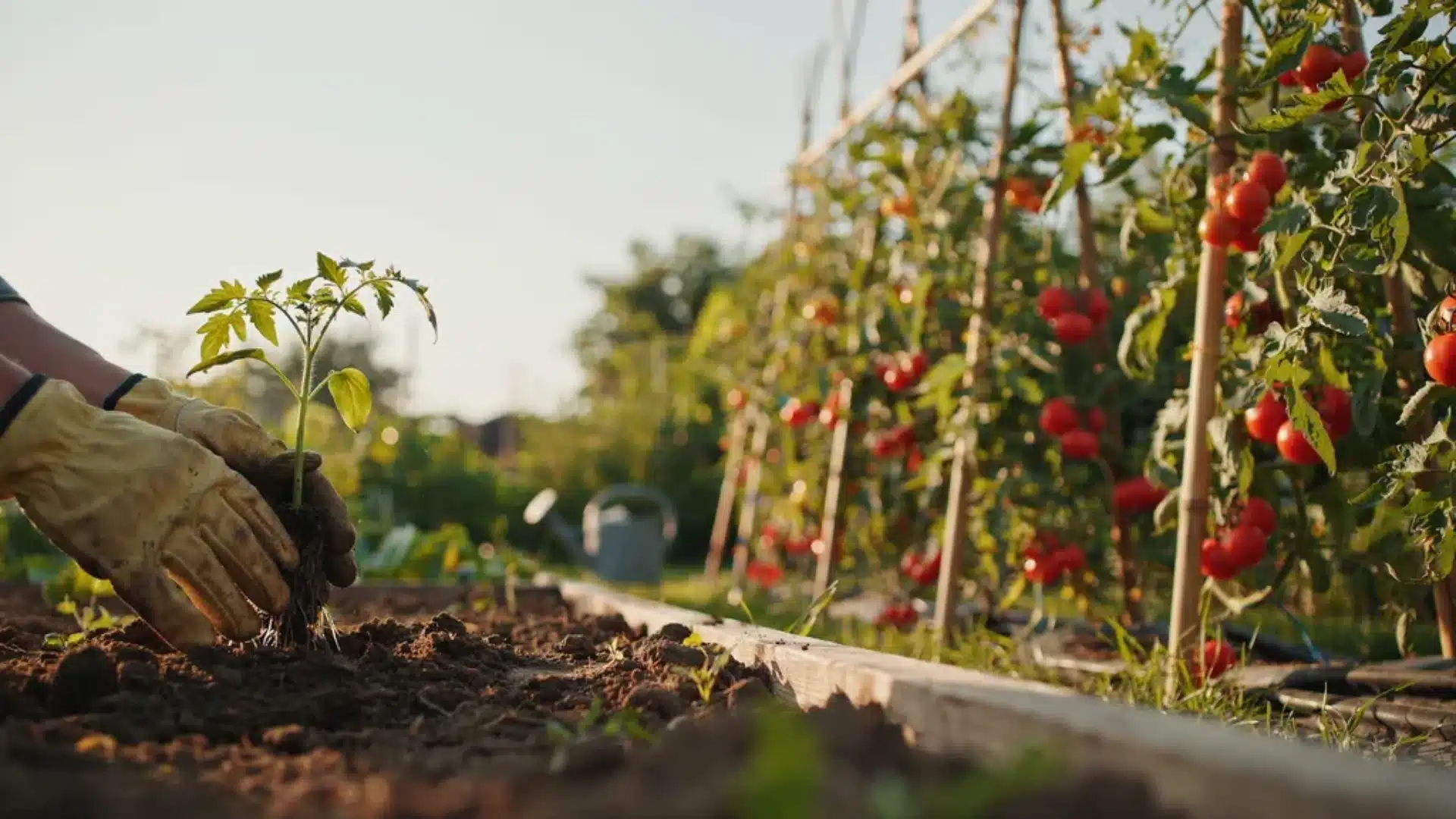
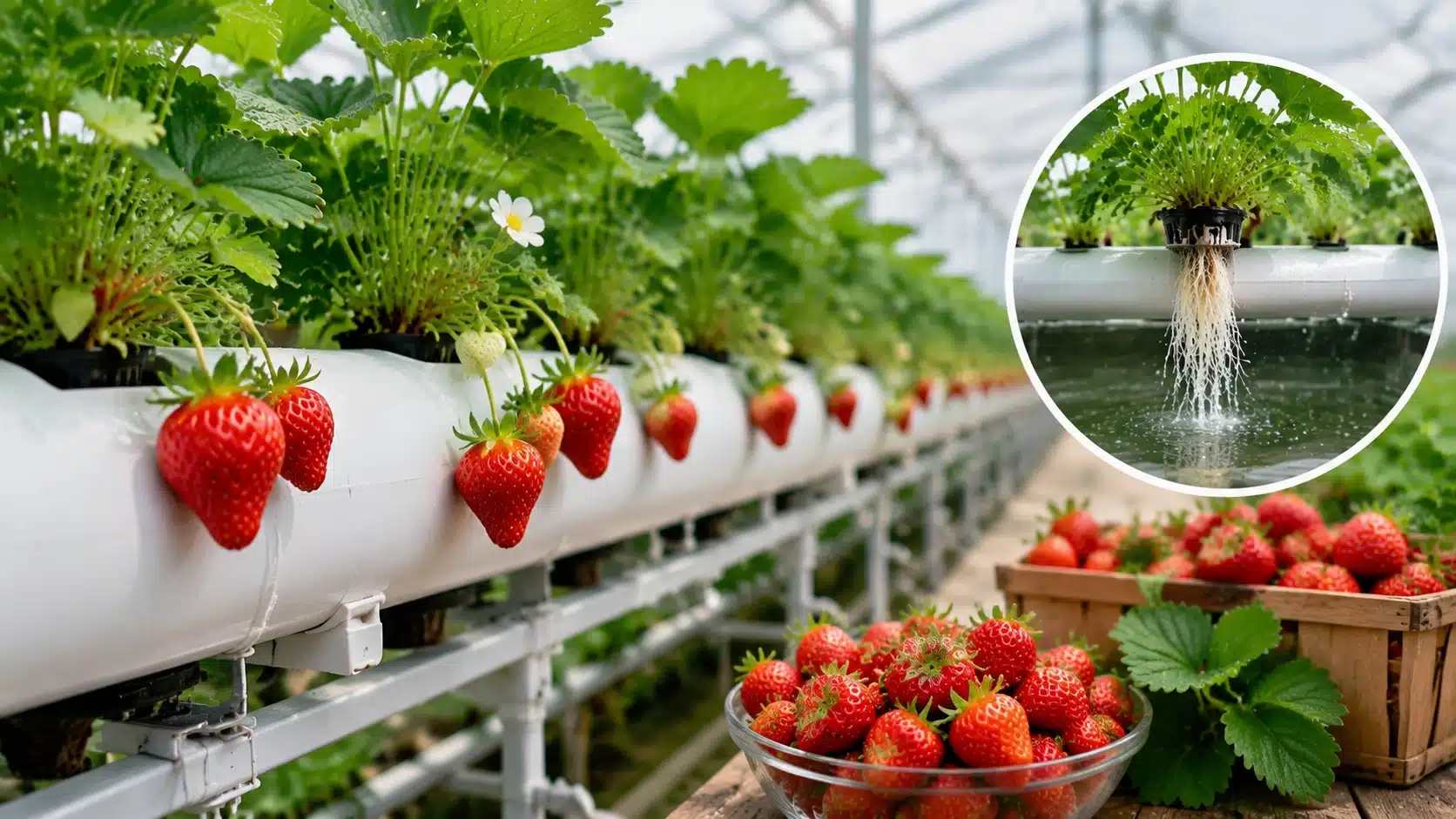
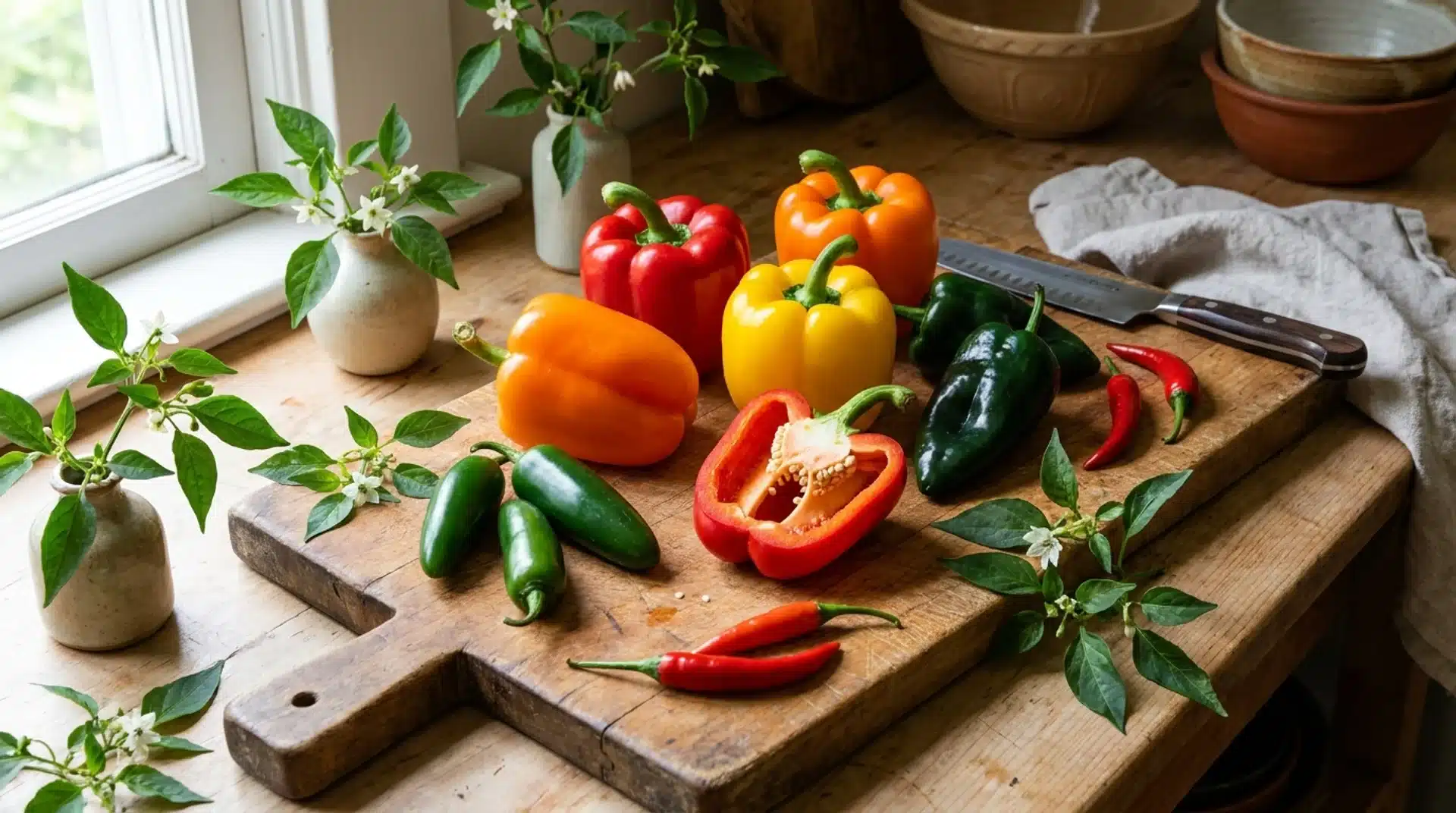
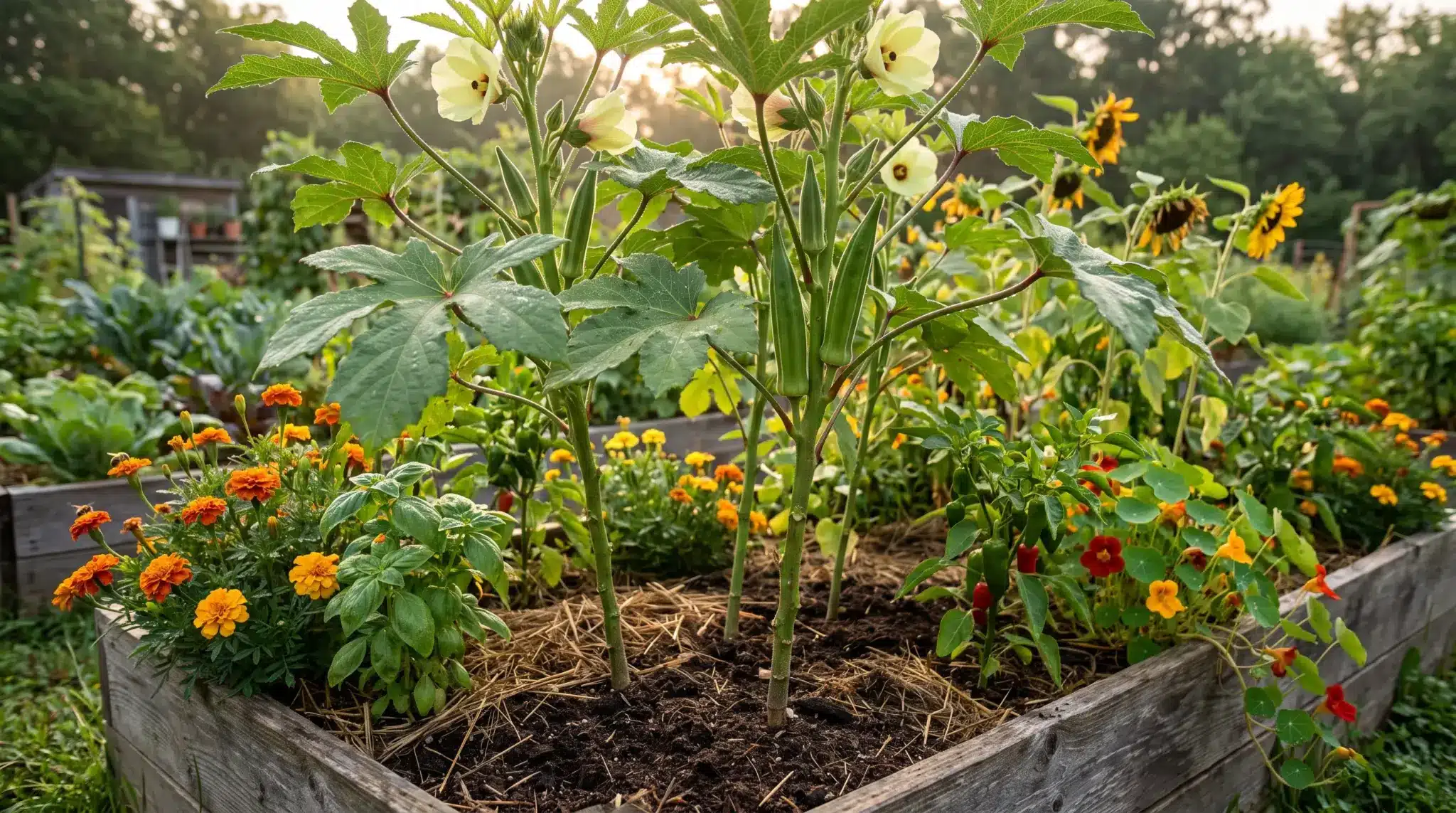
The best okra companion plants are basil, peppers, beans, marigolds, radishes, and cucumbers. They repel pests, add nutrients, or make good use of the shade okra casts. Skip squash, sweet potatoes, and broccoli near okra, since they compete for nutrients or attract root-damaging nematodes. Okra is easier to grow beside other vegetables than many garden […]
Discover by Category
Reader’s Favorites

Albo syngonium (Syngonium podophyllum albo-variegatum) has certainly been having a moment. It’s become a favorite among plant collectors for its striking variegated leaves, and we can see why it’s so well loved. No two leaves are alike, and each seems more beautiful than the last! Albo syngonium is the variegated form of the more common Syngonium podophyllum, […]
Plant Care
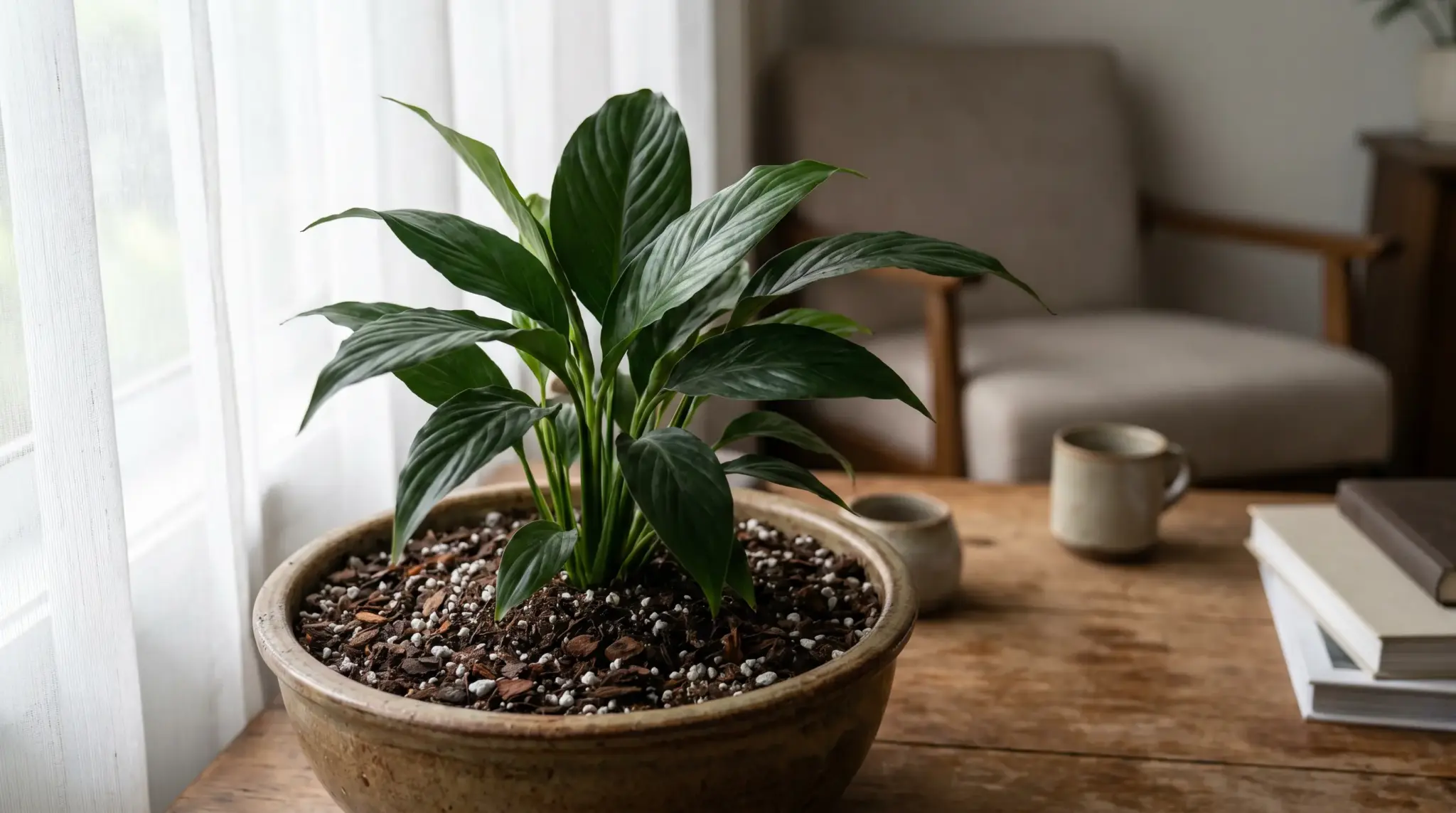
below pH 6.0recommended soil acidity Quick answer What is the best soil for a peace lily? The best soil for a peace lily is a loose, well-draining potting mix high in organic matter, such as peat or coco coir blended with perlite and compost. NC State Extension identifies acidic soil below pH 6.0 as the […]
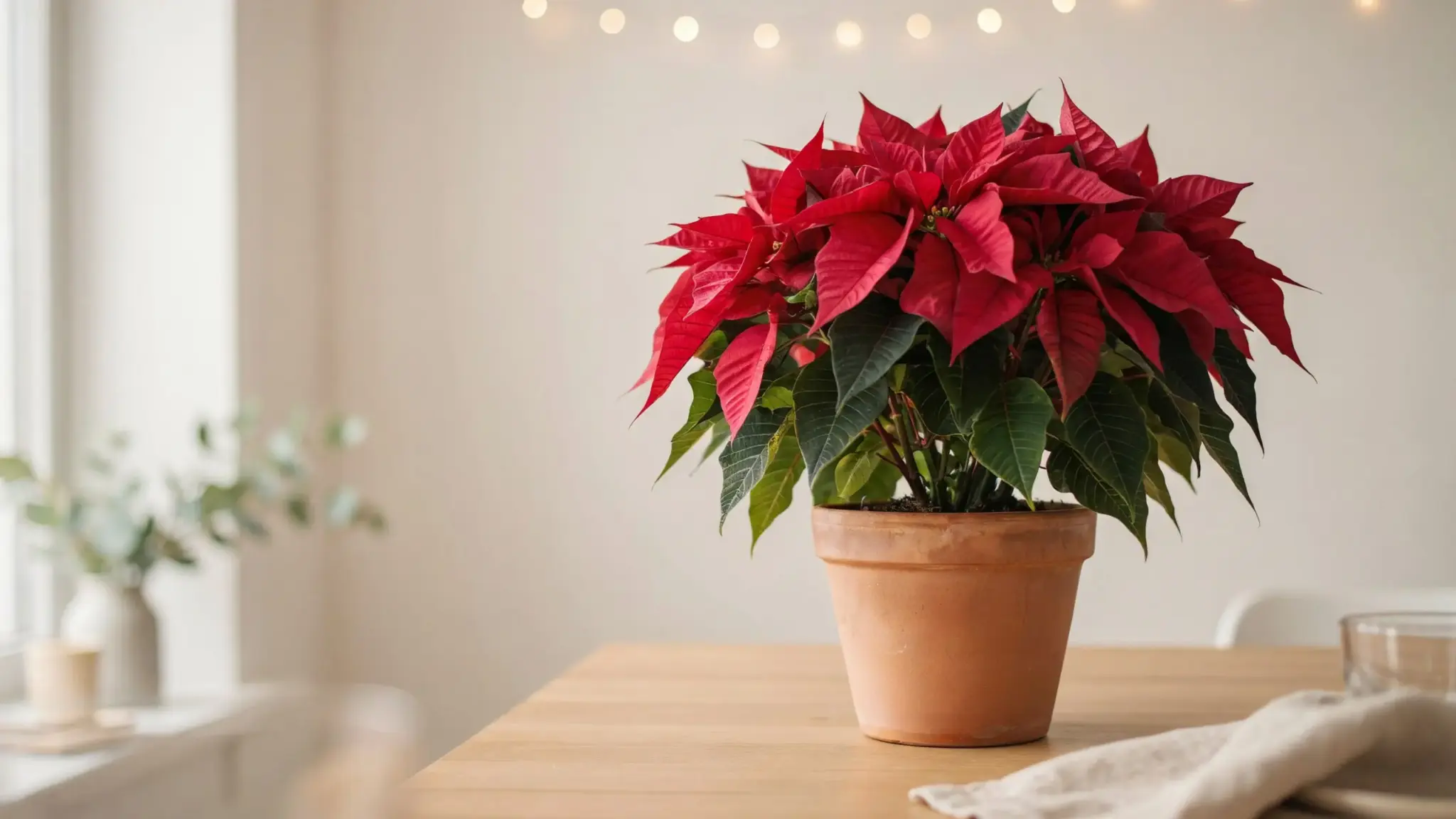
60 to 70°Fideal temperature range Quick answer How do you care for a poinsettia? Keep a poinsettia in bright, indirect light and steady temperatures of 60 to 70°F, away from drafts. Water only when the soil surface feels dry or the pot feels light; remove any foil or plastic sleeve first, then let excess water […]
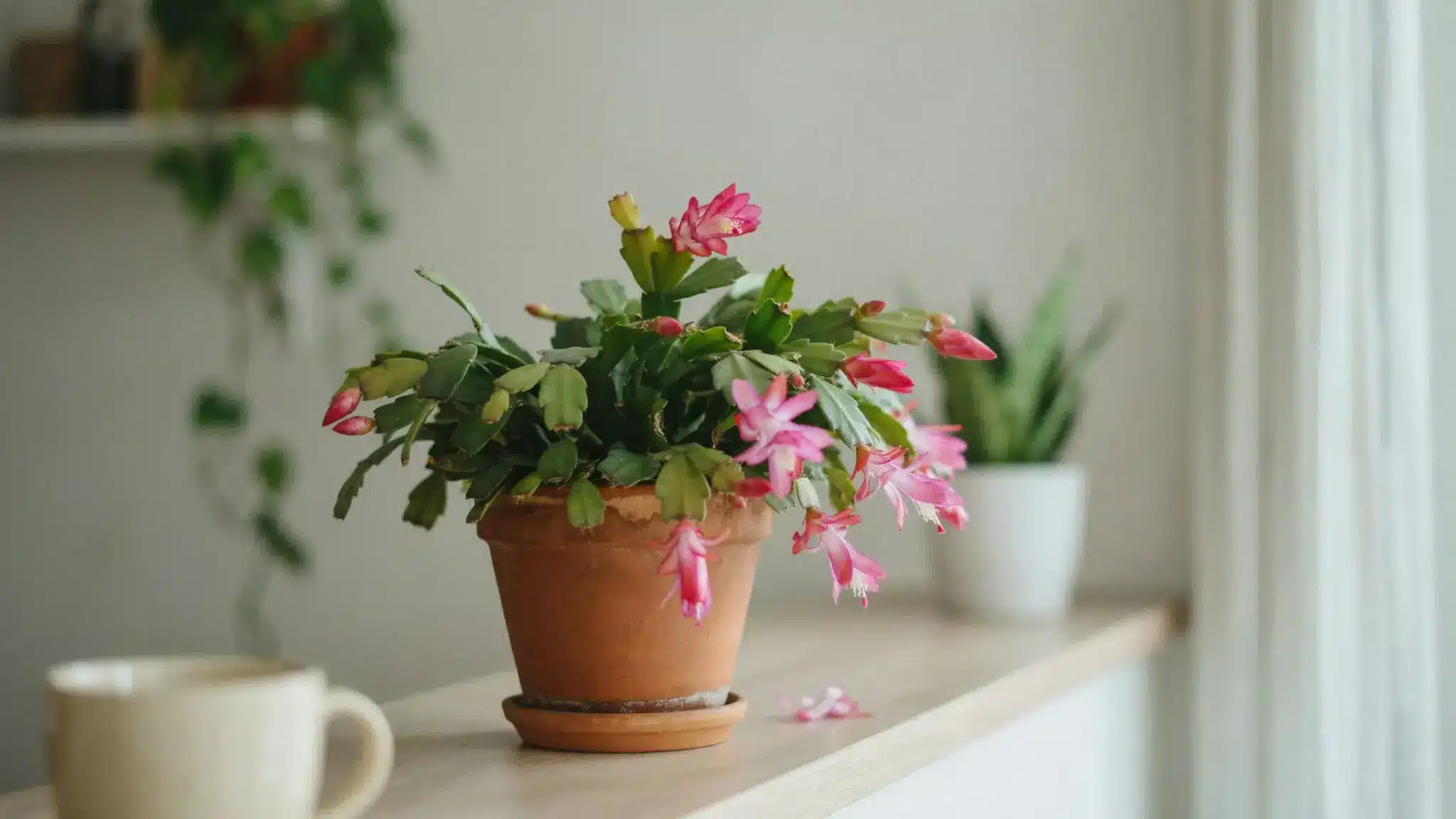
six to eight weeksof darkness for winter blooms Quick answer How do you care for a Christmas cactus and get it to bloom for the holidays? Give a Christmas cactus bright, indirect light, fast-draining soil, and water when the top inch or two feels dry. Keep it at 65 to 75°F by day; for winter […]
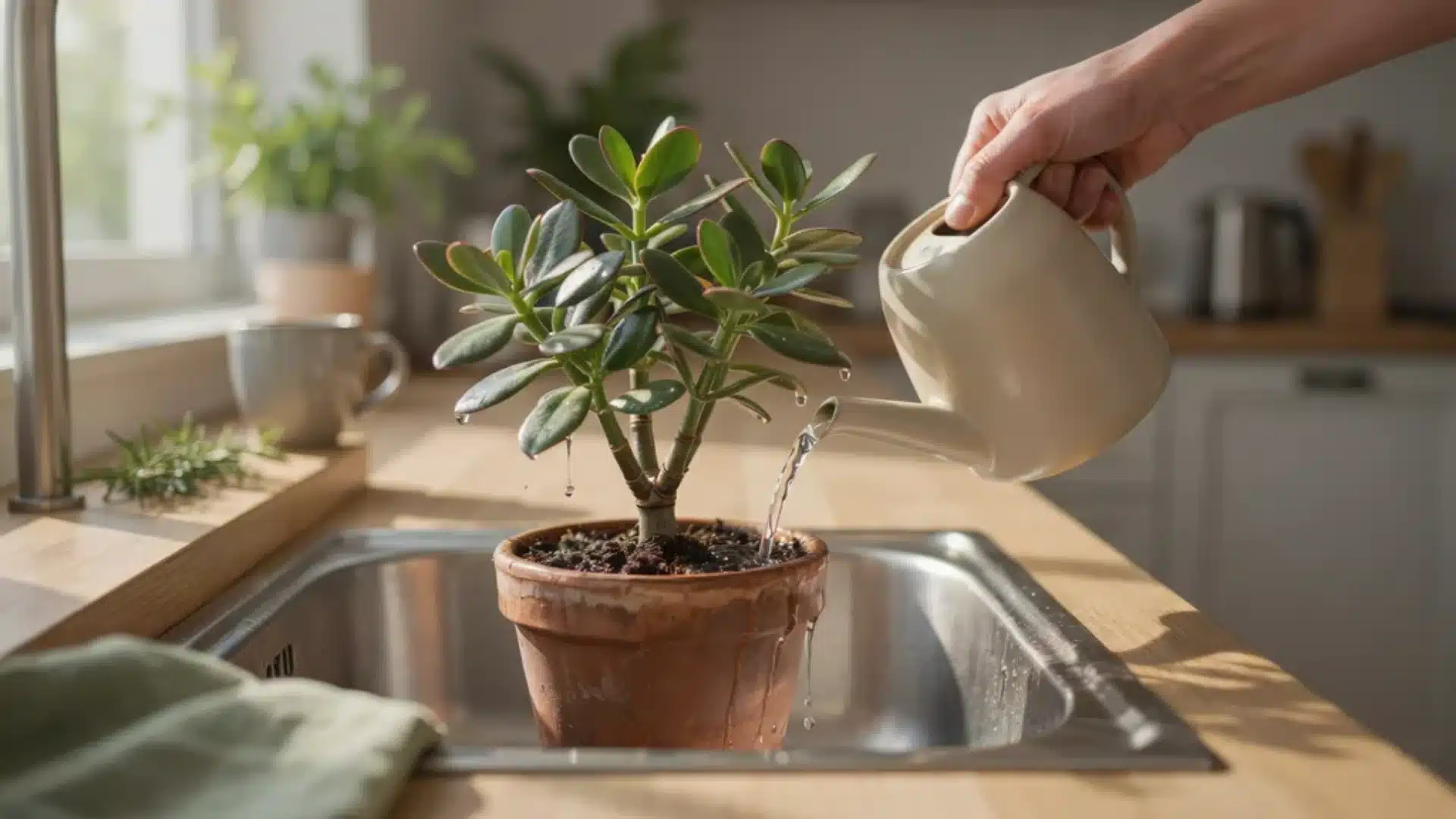
To water a jade plant, wait until the top 2 inches of soil are completely dry, then soak it until water runs out of the drainage holes and empty the saucer. That usually works out to every 10 to 21 days in spring and summer and every 3 to 6 weeks in fall and winter. […]
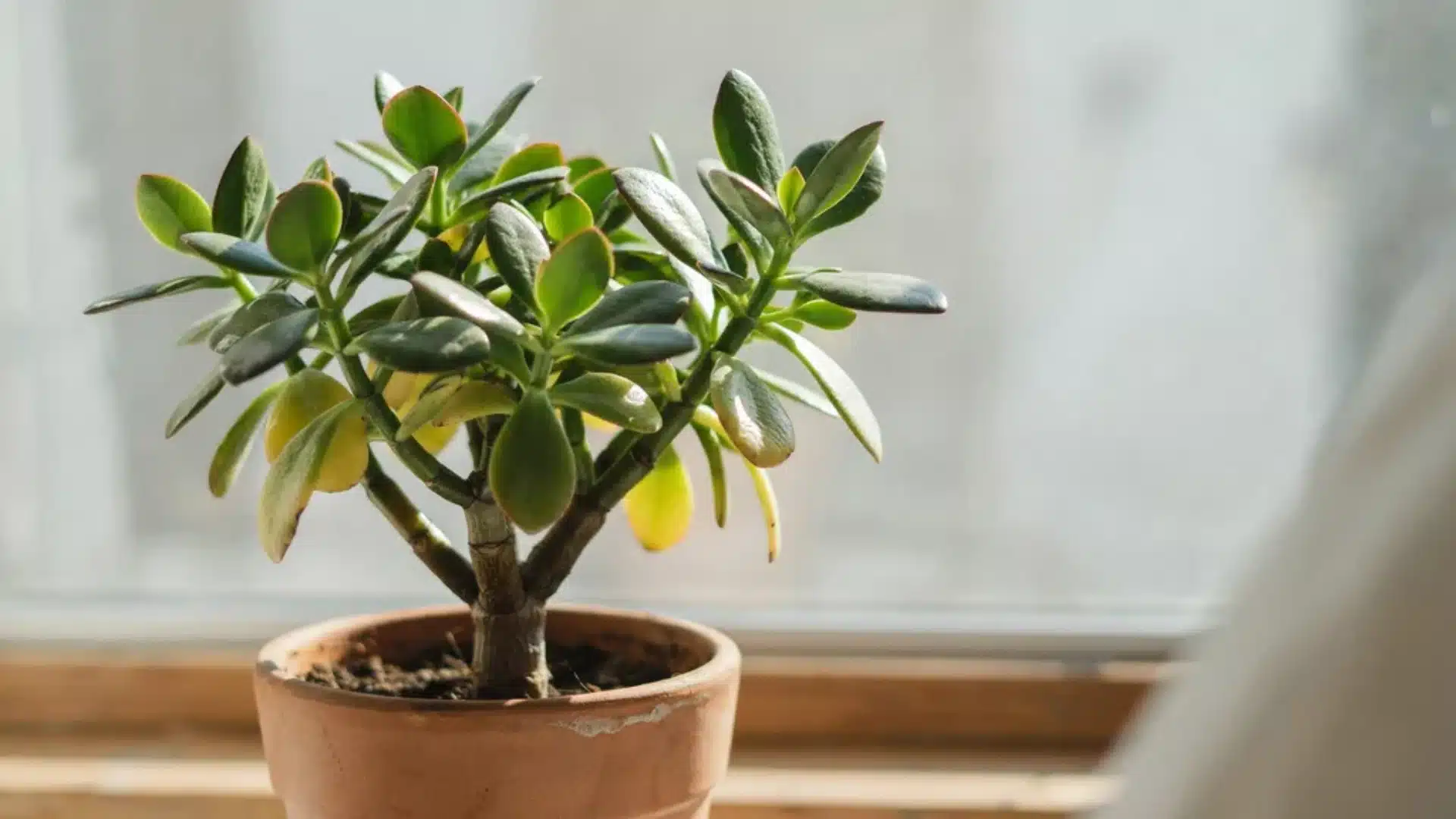
de plant leaves turning yellow is most often a sign of overwatering, especially when the leaves feel soft and puffy. A few yellow leaves at the very bottom are normal aging. Other causes include poor drainage, underwatering, low light, nutrient gaps, pests, hard water, and cold drafts. Last November, three bottom leaves on my Portland […]
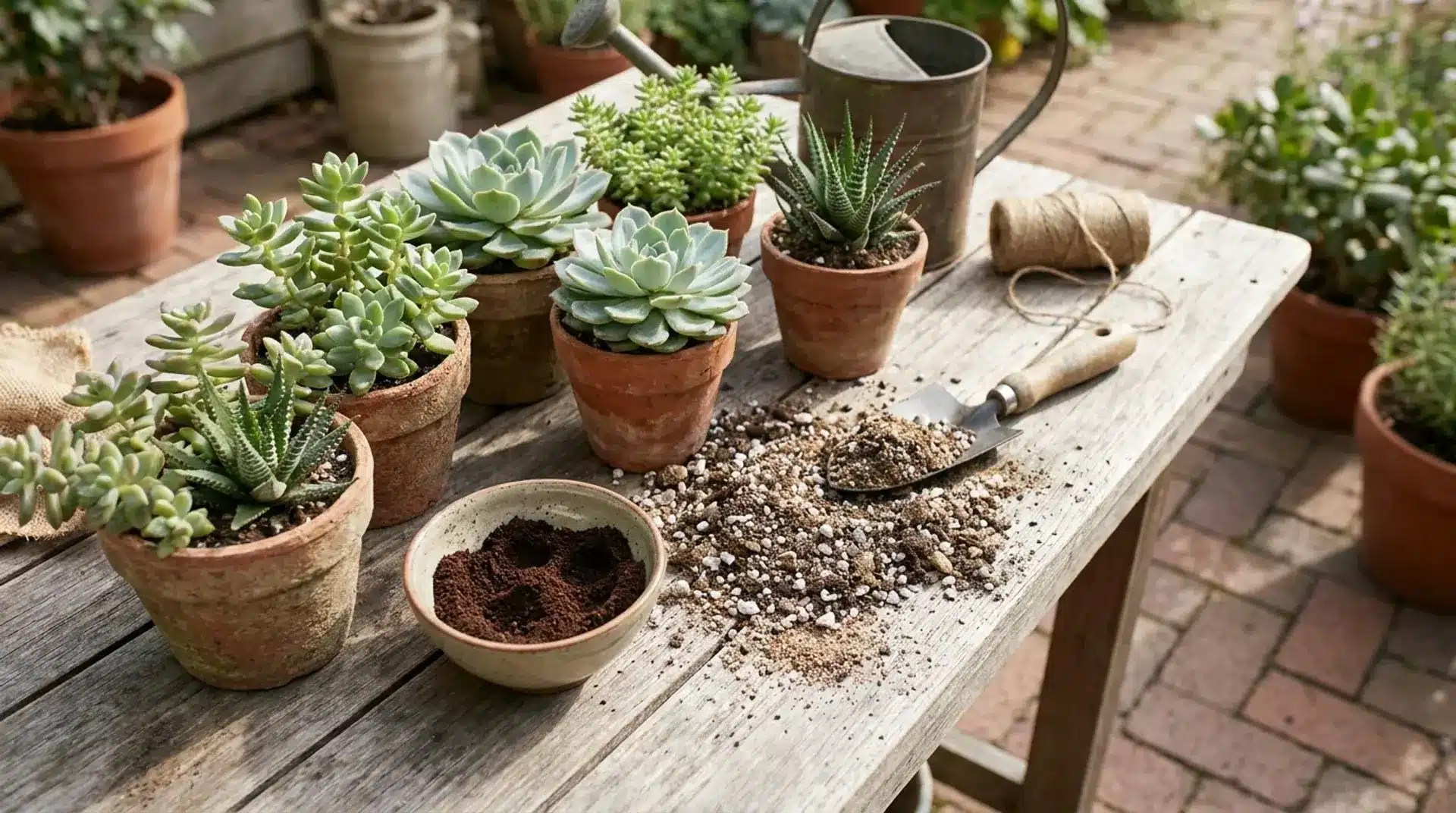
Coffee grounds are good for succulents only in small amounts. Spent, fully dried grounds add organic matter and a little nitrogen, but they hold moisture and can slow growth when used raw. Compost them first, or mix in no more than 1 part grounds to 10 parts gritty soil at repotting. I killed a perfectly […]

Houseplants
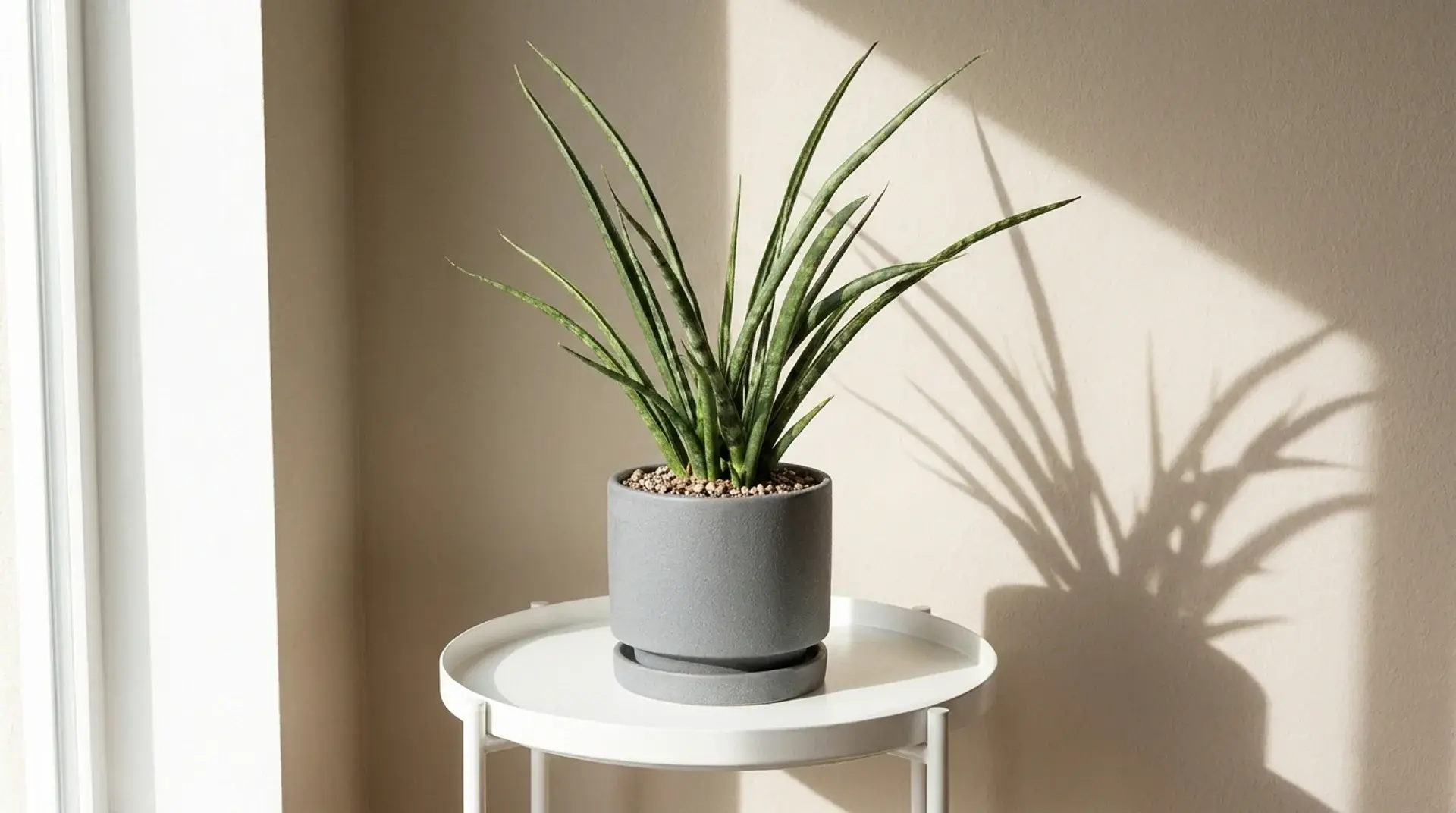
One of the things I love most about Sansevieria (other than how easygoing they are) is how much variety exists in this group of plants commonly called snake plants. Today’s feature, Sansevieria Fernwood’, makes a great addition to a group of snake plants, and it holds its own as a
Quick answer Why is my pothos turning yellow? Overwatering is the most common cause of yellow pothos leaves: soggy soil deprives roots of oxygen and can cause rot. Check the soil an inch down first. If it is not too wet, consider underwatering, unsuitable light, low nutrients, mineral buildup, cold drafts, pests, or roots crowded […]

My first holiday plant was a $3 poinsettia from the grocery checkout. A sweet little purchase. It was dead two weeks later. I’d watered it without checking the soil. Apparently more attention meant more water. It did not. Seven years and more than 70 plants later, I’m pickier about what comes home. A store display […]
When I say “jade plant” to a visitor eyeing my Portland windowsill, they usually think of one thing: the little green succulent your grandma had. The species does most of the heavy lifting for that image, but “jade plant” as a category is a lot bigger than one shape. Jade plants come in dozens of […]
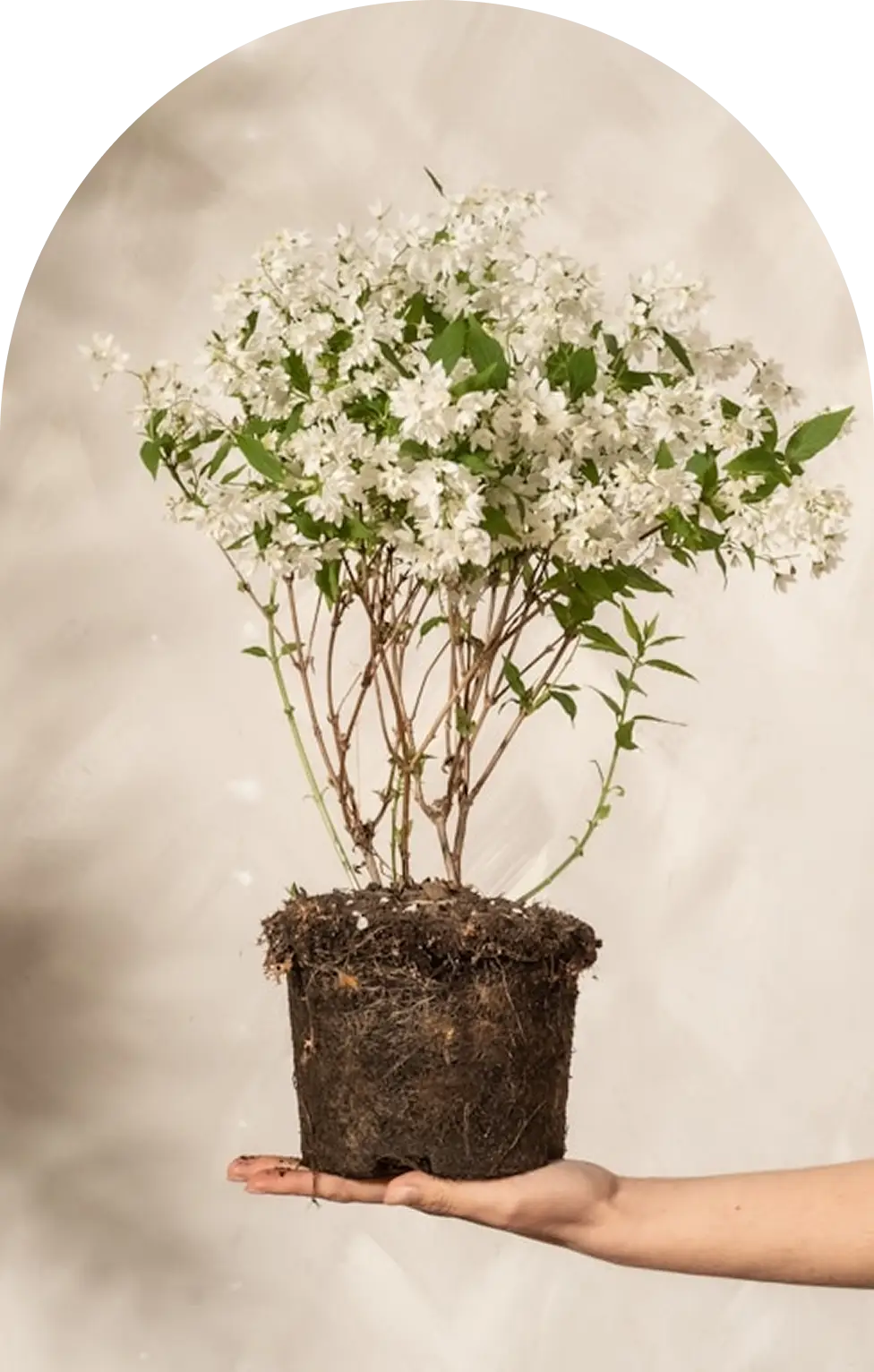
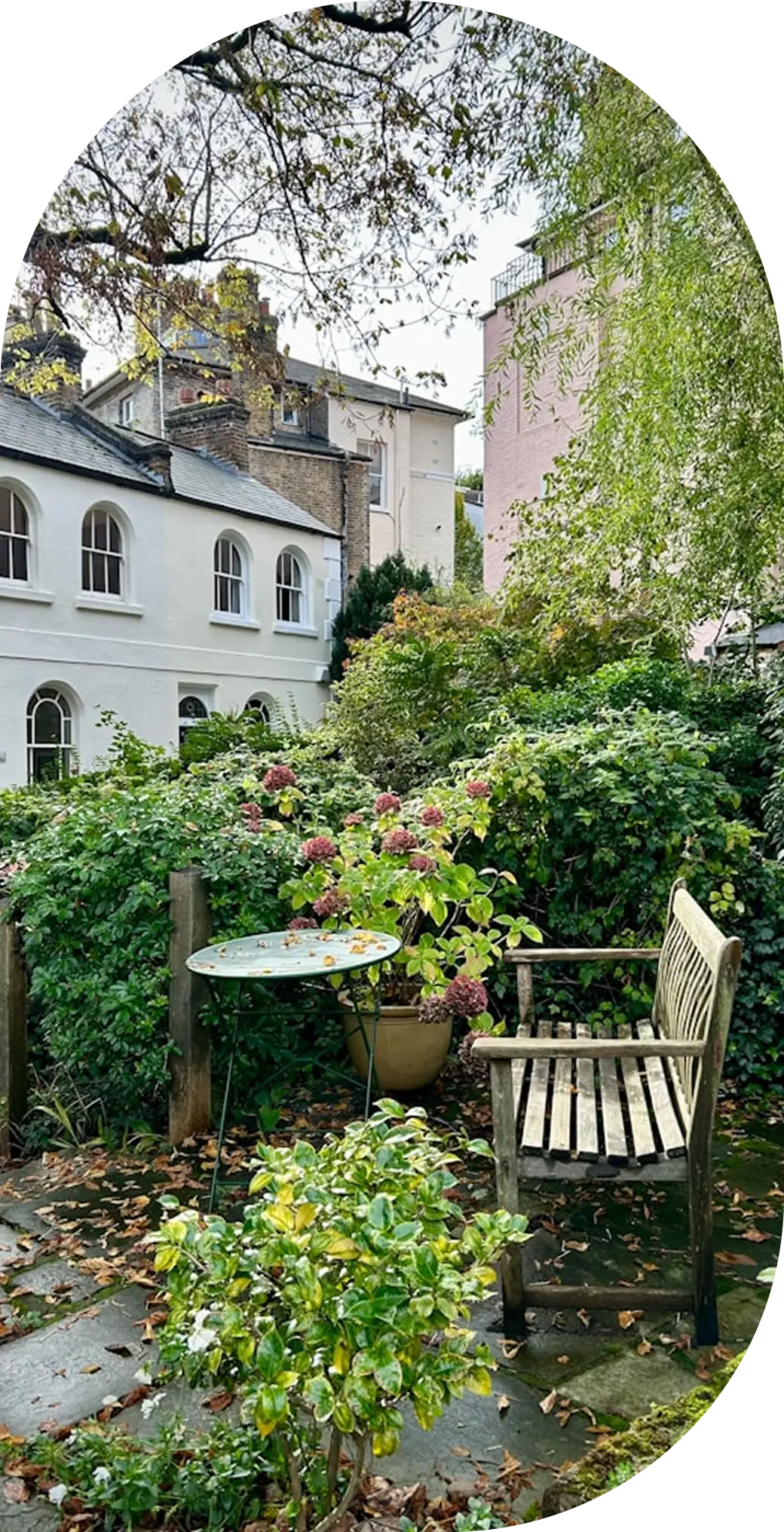
Every summer thunderstorm used to leave a brown puddle in the low corner behind my packing shed. Scout, the bigger of my two rescue dogs, treated it like a day spa. I treated it like a problem. One wet July afternoon I followed the water. It poured off the shed roof, picked up whatever was […]
Nobody builds a garden fence for fun. You build one because something has been eating your lettuce, or your dog keeps flattening the tomato bed, or the deer in your neighborhood have decided your yard is their personal salad bar. I’ve designed gardens for over a decade, and the fence question comes up in almost […]
Home Decor
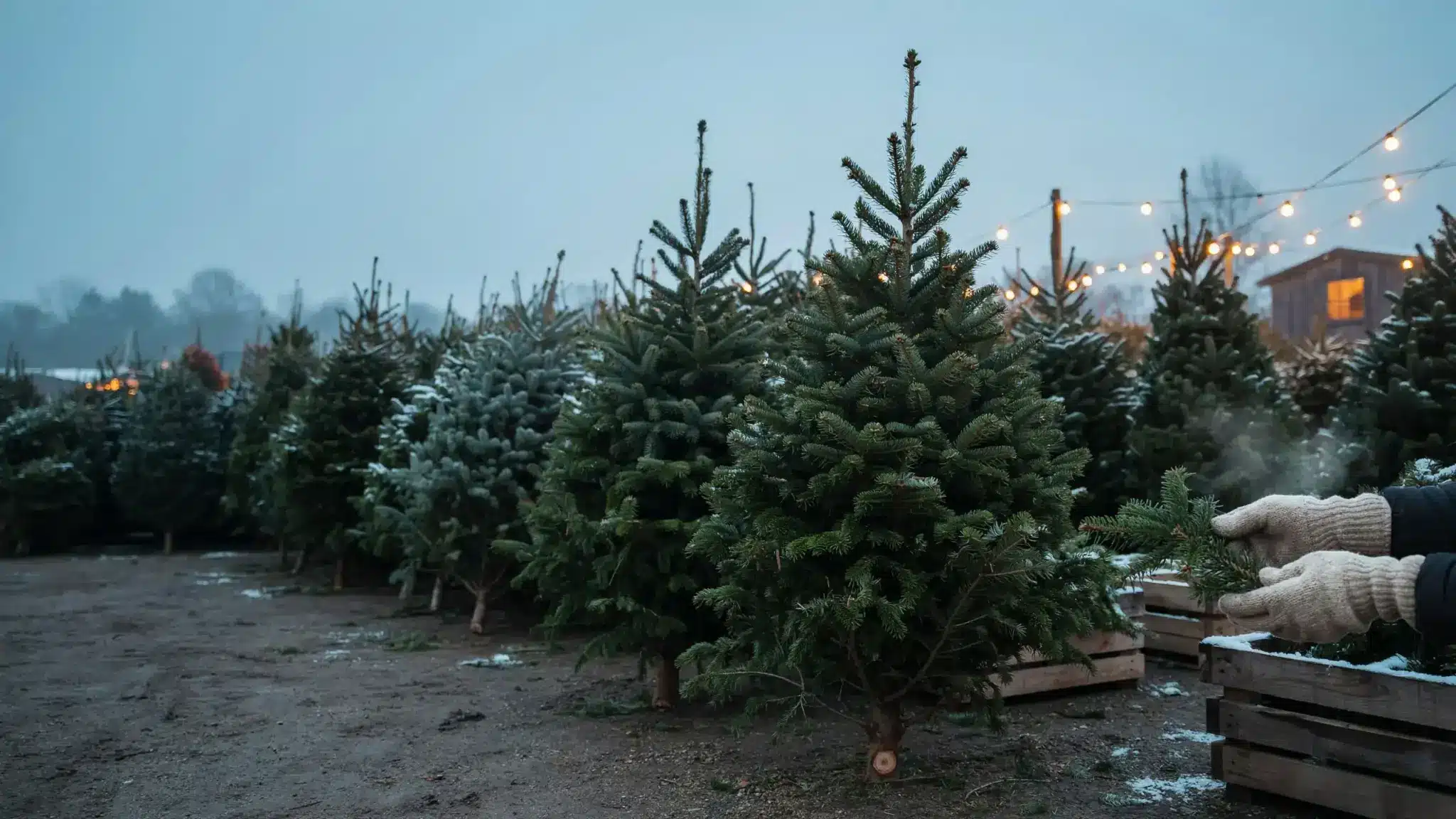
Quick answer What are the main types of Christmas trees, and how do you choose the best one? The main Christmas tree types are firs, pines, spruces, cypresses, and cedars. Choose a fir such as Fraser or noble for strong branches that hold heavy ornaments; pines offer a milder scent, spruces have stiff, sharp needles, […]
You know that feeling when you walk into a room and immediately want to stay a little longer? There’s good light. Something green. Maybe a wood table that feels really nice under your hand. Nothing is shouting for attention, it just feels good. That’s the feeling biophilic design is trying to create. And thankfully, it […]


Dig Deeper

The low corner behind our packing shed used to hold a puddle for two days after every summer thunderstorm. My first fix was a row of lavender, because it looked great in the nursery pots. By August, every one had rotted at the crown. (Scout dug up the last two,
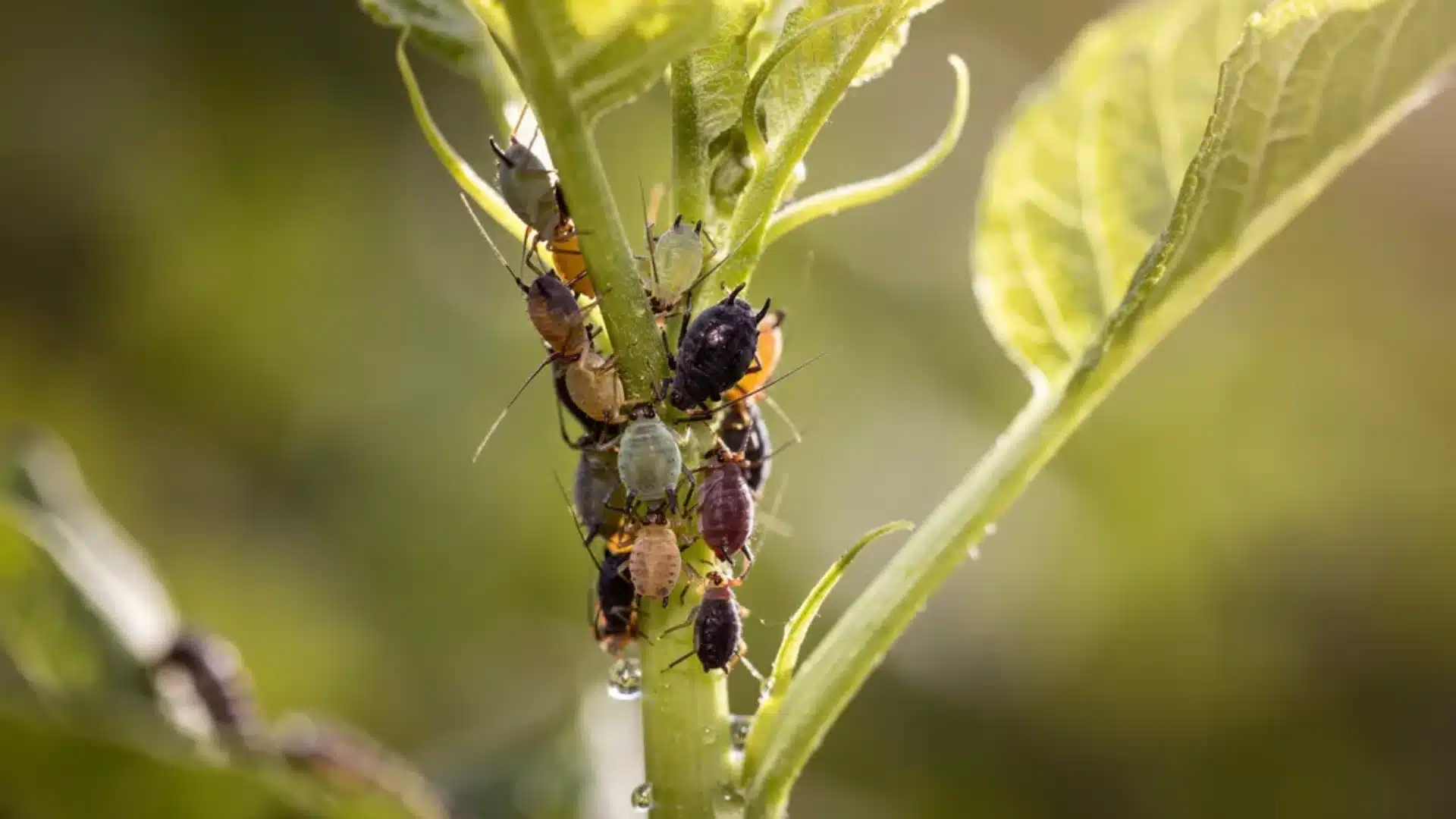
You checked that plant last week, and it looked fine. Great, even. Now the leaves are curling in on themselves, going yellow at the edges, and when you reach out to steady a stem, your fingers come away sticky. Something is clearly wrong with your plant, but you can’t see

Last October I found an old tomato cage in the back corner of my yard, flipped it upside down, threw a white sheet over it, and tied it off at the top to make a little head. That was it. That was the whole project. And I’m not exaggerating when
Read by people at: